


Research Areas
-
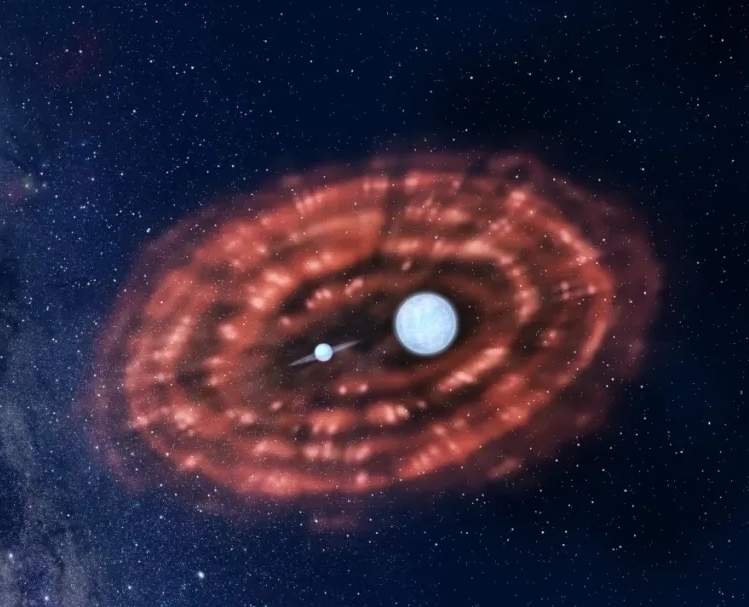 Stars and Stellar SystemsWe leverage global ground-based and space-based observational facilities and data centers, focusing on stellar structure and evolution, rare stellar objects, binary star evolution and the formation of key astrophysical objects, observations of binary and variable stars, and supernovae. We are vigorously promoting the construction of the International Center for Supernovae (ICESUN) to establish it as an international hub for supernova research. We will also foster and support the research directions of planetary science and pulsars, and actively train and recruit observational astrophysics talents in these fields.Jul 22, 2026
-
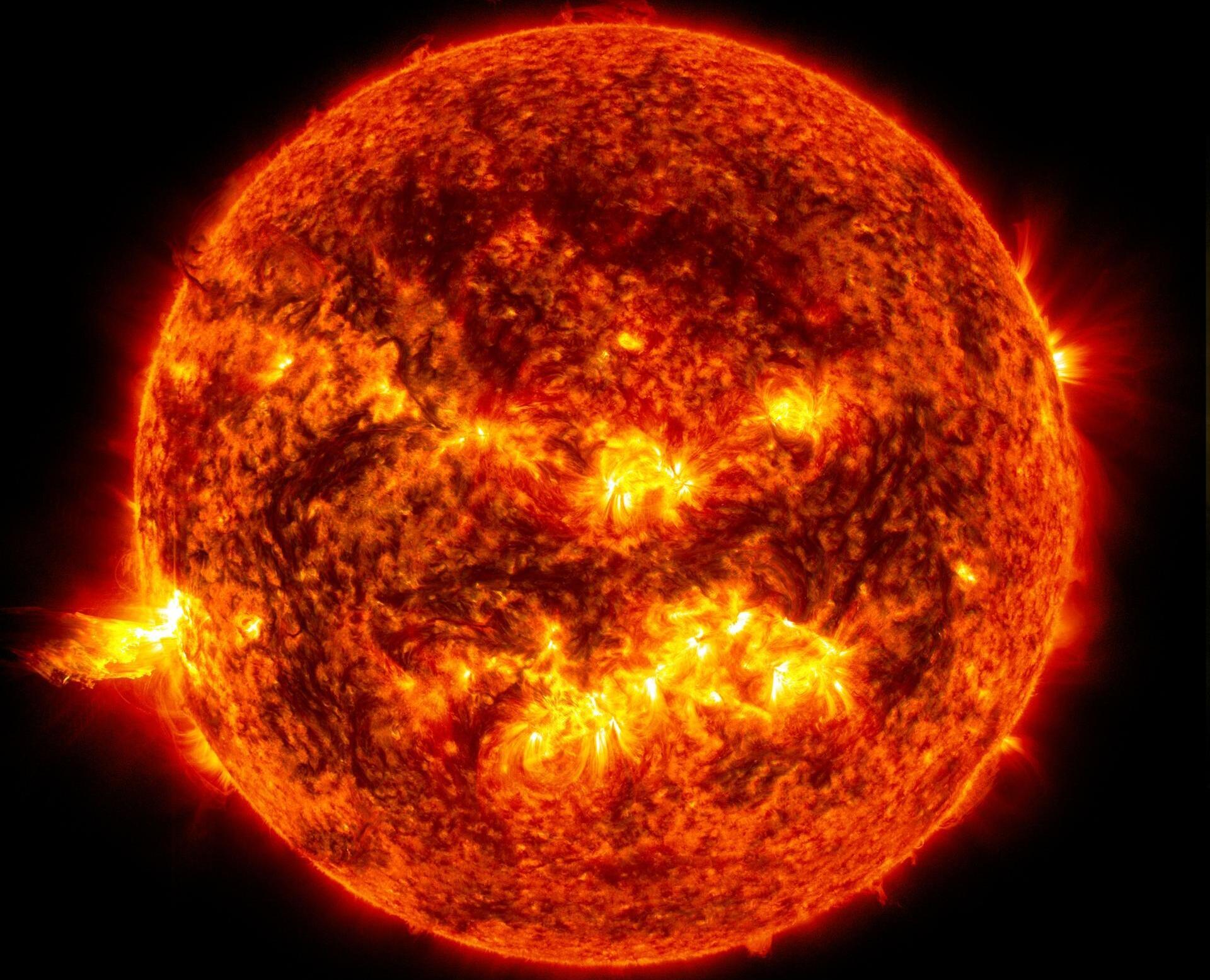 Solar PhysicsDrawing on the extensive observational heritage of major national ground-based and space-based solar observing facilities and the Fuxian Lake Solar Observatory and Research Station, and leveraging our strengths in computational solar physics, we have established a strategic layout in the direction of "Solar Activity and Hazardous Space Weather." Our research focuses primarily on high-resolution observations and numerical simulations of solar eruptive events and coronal heating mechanisms, polar solar physics, and the development of forecasting techniques and methods for hazardous space weather. We will also foster research on the physical mechanisms of solar active regions and eruptive phenomena in other astrophysical objects. We are actively organizing and cultivating solar physics research and talent team building centered on large-scale facilities such as WeHoST, with the aim of gradually forming an integrated ground- and space-based observational and theoretical research team, as well as a technical support talent system for ground-based solar telescopes.Jul 22, 2026
-
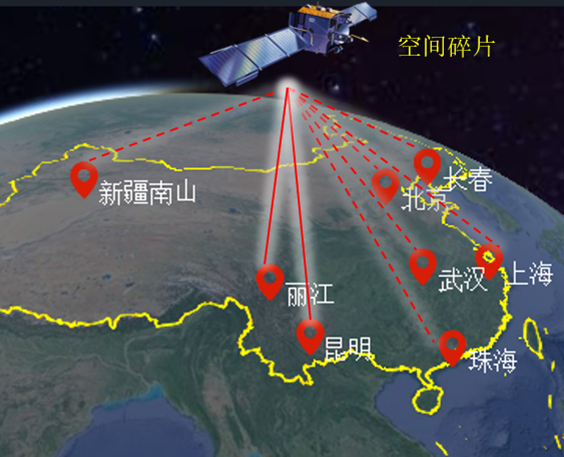 Fundamental and Applied AstronomyUtilizing existing observational facilities both nationwide and at Yunnan Observatories, we focus on high-precision lunar laser ranging and the development of lunar ephemerides, distributed long-baseline space debris laser ranging, key technologies for laser communication ground stations, and orbital dynamics and precision orbit determination for space objects. We also aim to foster key technologies for energy accumulation and range extension in space debris laser ranging networks, as well as near-Earth asteroid defense. We will introduce, train, and maintain a reserve of key technical personnel in laser ranging. Through multiple channels, we will cultivate and recruit scientific, technical, and operations staff for the Jingdong 120-meter Pulsar Radio Telescope (JRT), with a particular emphasis on strengthening the discipline of radio astronomy, thereby supporting the sustainable development of radio astronomy at our observatory.Jul 22, 2026
-
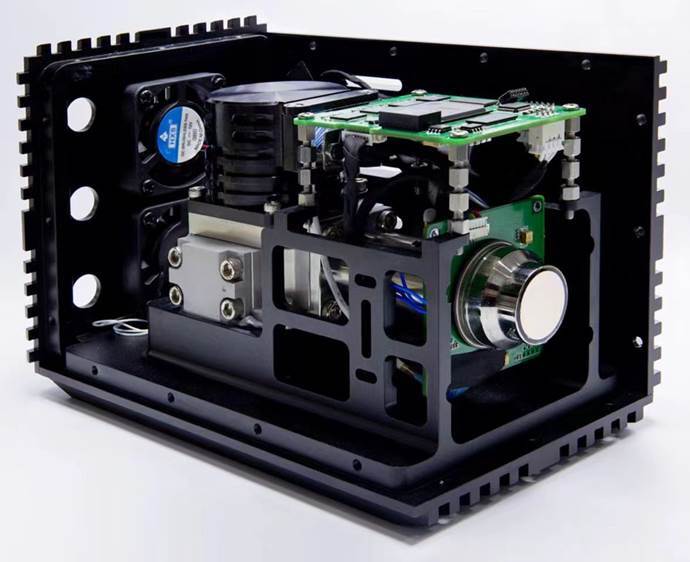 New Astronomical Technologies and MethodsWe utilize existing optical telescopes to develop and validate core key technologies, with an emphasis on key technologies for large-aperture optical telescopes (including intelligent telescope control, active optics, and large-aperture mirror coating technologies) as well as key technologies for backend instruments (such as high-precision magnetic field measurements, large-format near-infrared detectors, and high-resolution solar observation technologies). We also aim to foster capabilities in astronomical big data processing (AI) and all-weather observing environment monitoring. In alignment with the strategic planning and layout of Yunnan Observatories, we will attract and train technical personnel in these areas, providing the technical reserves and talent support necessary for the construction and maintenance of major research infrastructures and scientific platforms.Jul 22, 2026
-
 Extragalactic Astronomy and High-Energy AstrophysicsLeveraging ground-based and space-based observational facilities worldwide, we focus on multi-wavelength, multi-messenger, and multi-platform observational studies of important celestial objects at the forefront of international research. By combining observational data with numerical simulations, we aim to achieve breakthroughs in areas such as the theory of high-energy astrophysical explosive phenomena and the co-evolution of active galactic nuclei and their host galaxies. We are also committed to cultivating and participating in the construction of optical and very-high-energy astronomical experimental observation platforms, and to training and attracting talented researchers at all levels in the fields of high-energy astrophysics and galaxy evolution.Jul 22, 2026